February 20, 2026
Dr. Heather Stanley-Christian is certified with ABMGG in clinical genetics and genomics, with additional certifications in obstetrics and gynecology and maternal-fetal medicine.
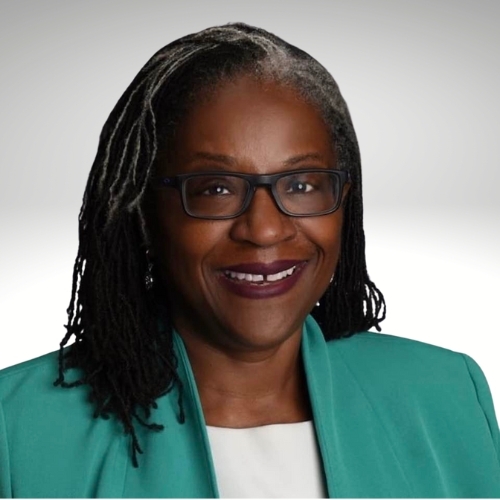
She shares her experience in choosing the genetics field and its importance for the Black/African American community:
“My path into Clinical Genetics and Maternal–Fetal Medicine was born at the intersection of curiosity, calling, and responsibility.
As an Obstetrics resident, my son once asked me to come to his classroom and teach Punnett squares and genetic counseling. In that moment, genetics became real—not an abstract science, but a living thread connecting generations. At the same time, I was drawn deeply to fetal dysmorphology during my Maternal–Fetal Medicine training. I wanted not only to recognize differences, but to understand their origin, their meaning, and what they foretold for families.
This was the era of the Human Genome Project, when medicine was learning to read the very code of life. While taking courses at the National Human Genome Research Institute, I recognized that Genetics and Maternal–Fetal Medicine were inseparable. With the mentorship of Dr. Jeannie Meck and Dr. Max Muenke, I pursued both fellowships concurrently—an intensive three-year commitment that allowed me to unite genomic insight with the care of mothers and their unborn children.
Equally important was the growing awareness of inequity. Genetics holds extraordinary promise, yet the benefits of genomic medicine have not reached all communities equally. Nowhere is this more evident than in sickle cell disease—a condition understood at its genetic root for decades, yet long neglected in research investment, treatment access, and clinical advancement. Even as transformative therapies emerge, including gene-based treatments with curative potential, many patients—disproportionately Black—remain without access due to systemic, economic, and structural barriers. This gap is not merely scientific; it is moral.
The presence of Black professionals in Genetics is essential to closing that gap. Representation brings trust, advocacy, and urgency. It ensures that the questions we ask, the research we pursue, and the care we deliver reflect the needs of all people. It also stands as a signal to future generations that they belong in this work—that they are not only subjects of genetic discovery, but leaders of it.
I entered this field to bridge science and service—to ensure that the power written in the genome is translated into healing, equity, and hope for every family, and that no community is left behind in the future of medicine.”